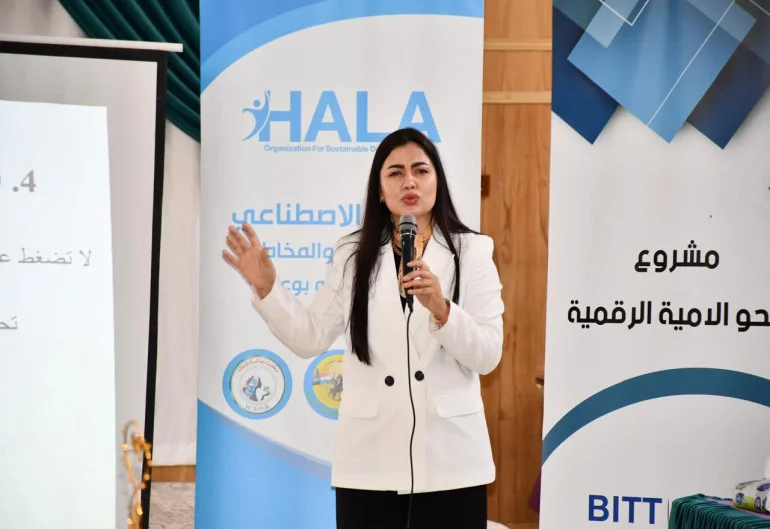
Eng. Saja Albayati Raises Questions on Using Artificial Intelligence and the Internet of Things to Improve Water Management in Iraq
2026-10-09
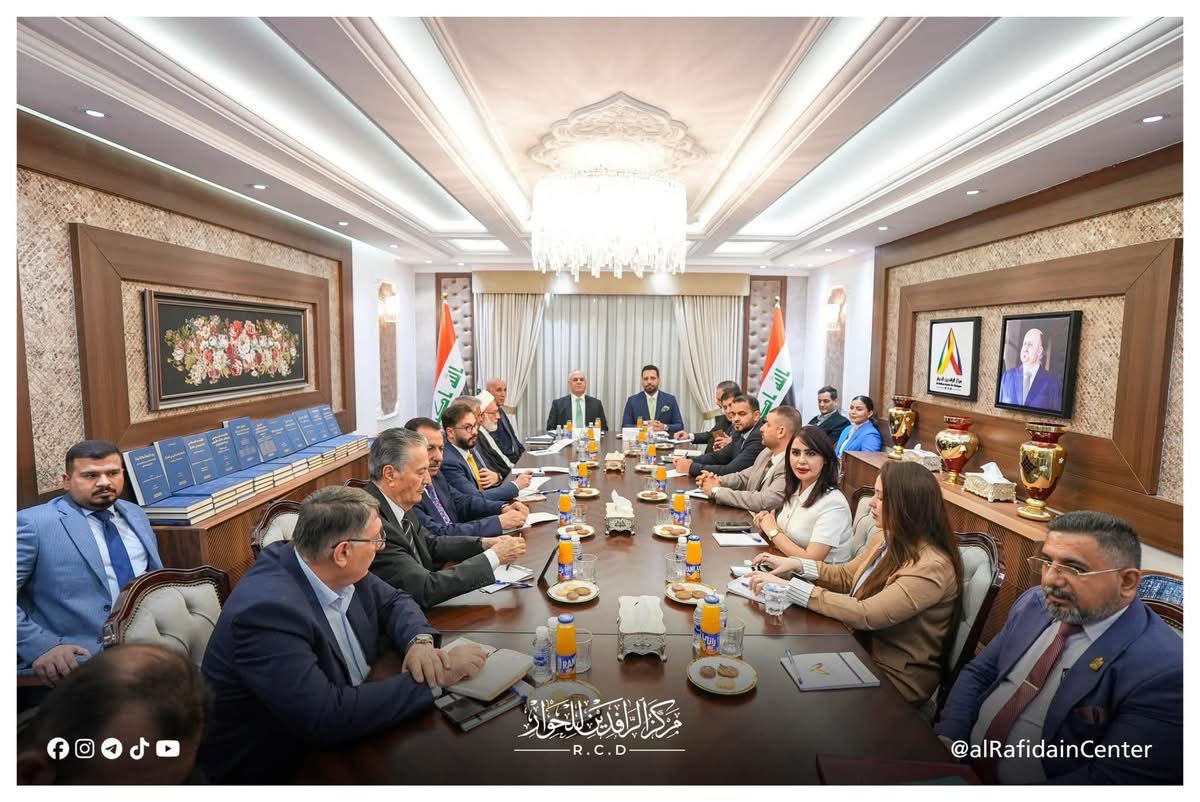
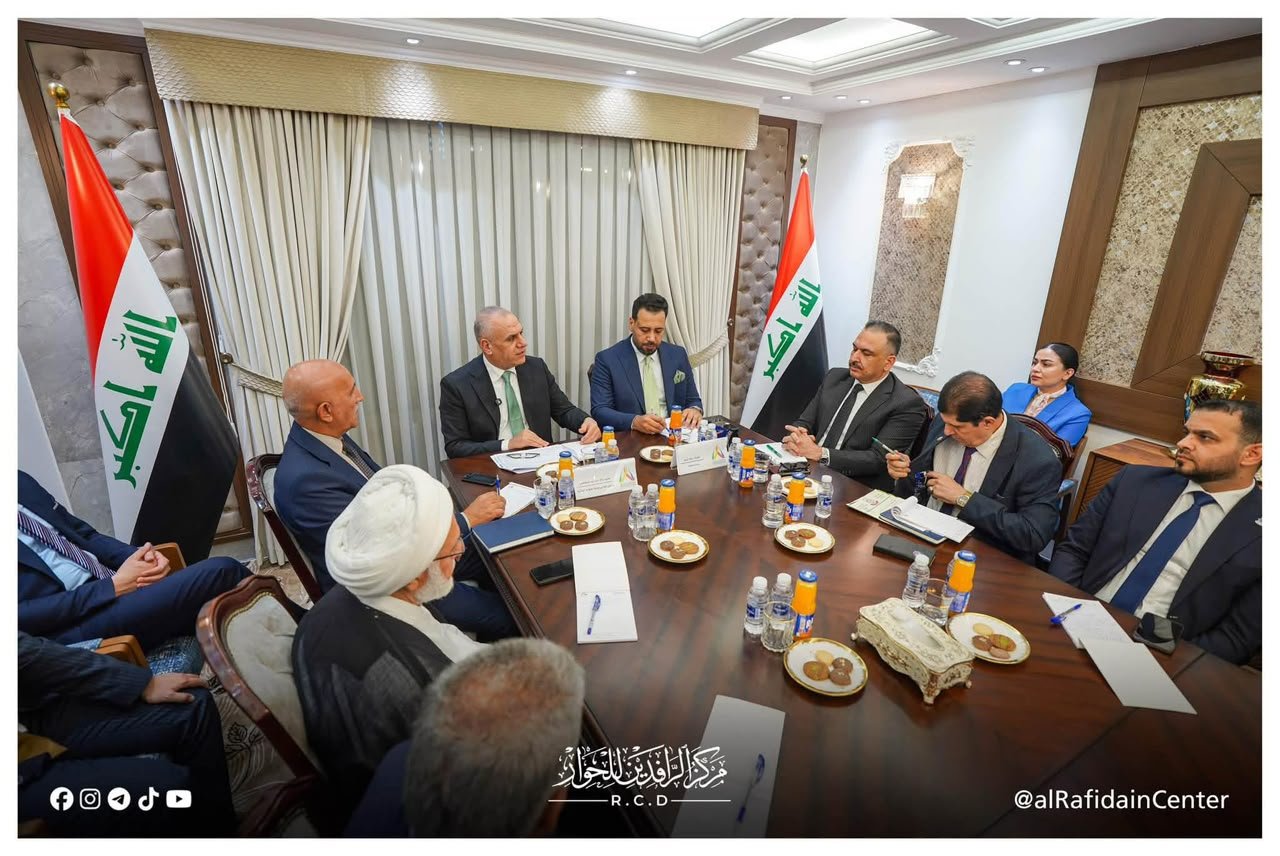
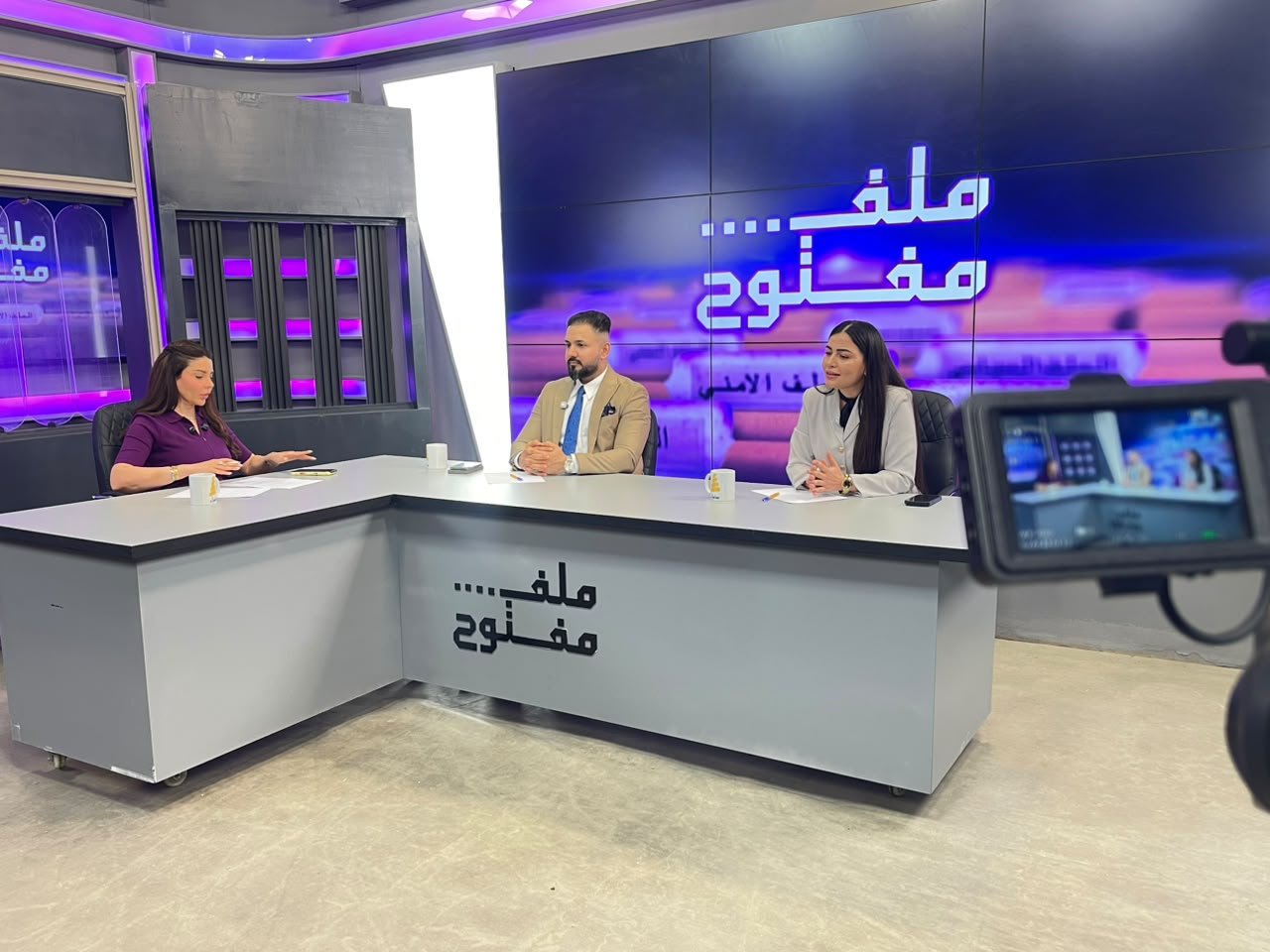
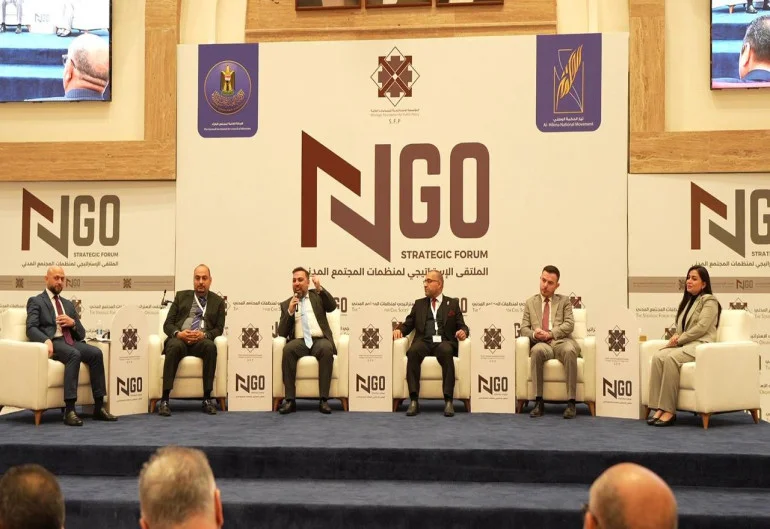
During a dialogue session organized by the Al-Rafidain Center for Dialogue (RCD) under the title “The Central Roles of Water,” Engineer Eng. Saja Albayati, Executive Director of BIT Information Technology, raised questions about the Ministry of Water Resources’ plans to use artificial intelligence and the Internet of Things to optimize water consumption, monitor river water levels, reduce waste, and strengthen coordination among the relevant water, agriculture, and wastewater authorities.
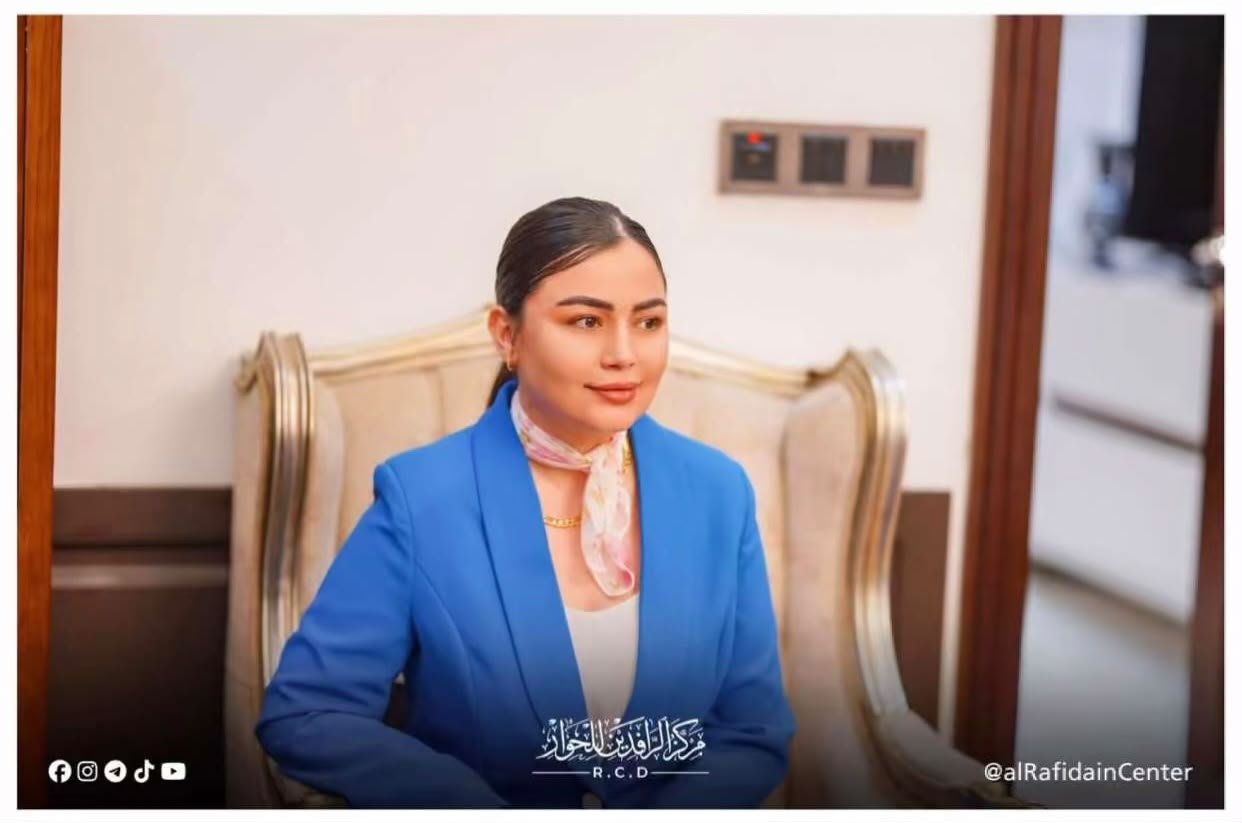
Discussions covered the constitutional framework governing the federal government’s responsibilities in developing water resource policies and ensuring appropriate water flows and distribution across Iraq.
The session also examined key water management challenges, particularly monitoring consumption, reducing waste, managing agricultural drainage, and improving the efficiency of water resource management mechanisms.
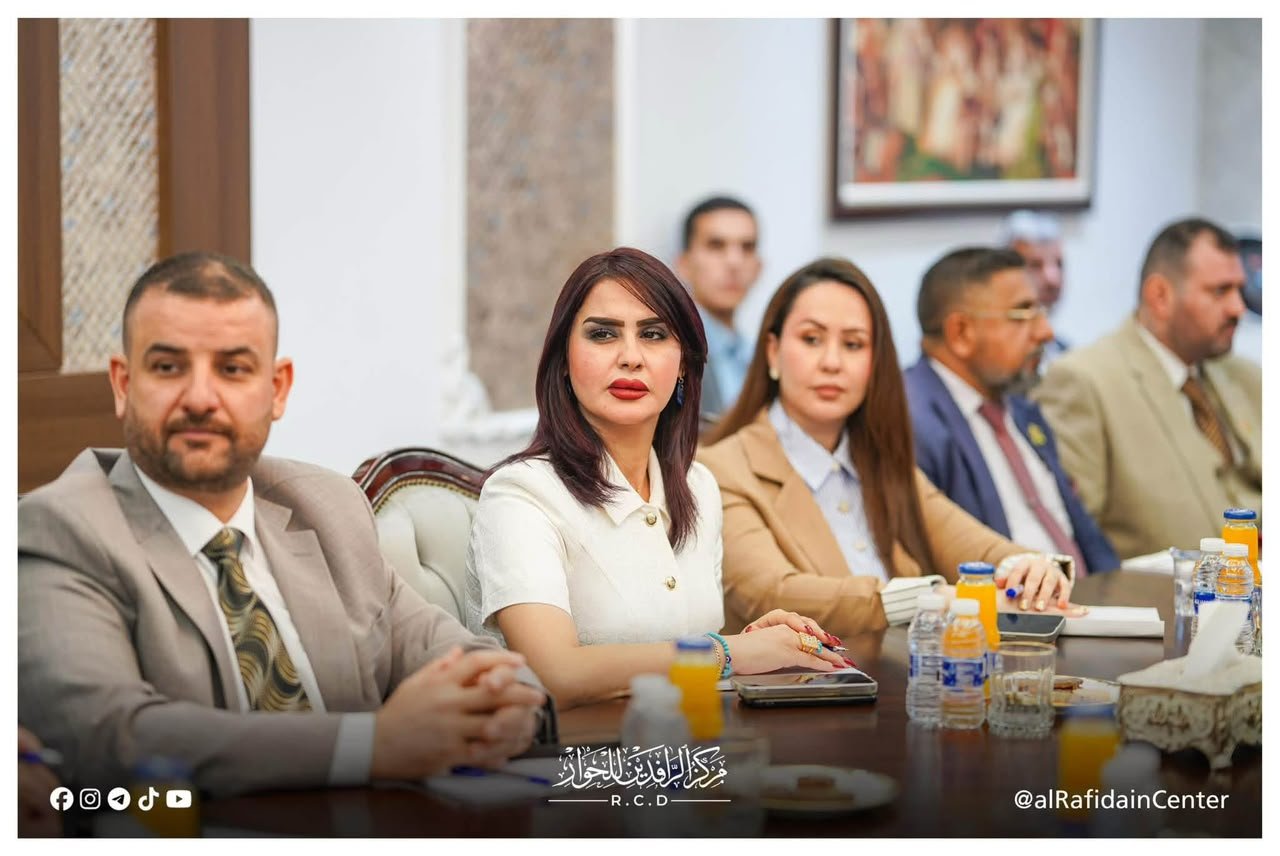
During the discussion, Eng. Saja Albayati, Executive Director of BIT Information Technology, asked whether the Ministry of Water Resources has plans or strategic directions for employing artificial intelligence (AI) and the Internet of Things (IoT) to optimize water consumption and improve water management. Her questions highlighted the potential for monitoring river water levels, detecting waste and leakage, and managing water consumption in public spaces.
Eng. Saja Albayati, emphasized the importance of leveraging digital solutions, smart sensors, and data analytics to monitor water flows and consumption and provide accurate indicators that support more efficient, proactive decision-making.
She also highlighted the importance of coordination and integration among the Ministry of Water Resources, the Ministry of Agriculture, and the relevant water supply, sewerage, and wastewater authorities. Such coordination could facilitate data sharing and the development of joint technological solutions to improve water management, monitor distribution and drainage networks, reduce waste, and promote the sustainable use of water resources.
These questions highlight the importance of linking water resource management with digital transformation and using modern technologies to strengthen planning, monitoring, and service efficiency, helping Iraq address its water challenges and advance the sustainable management of this vital resource.
Image Gallery